Procedure
LASIK in Paris
LASIK is the most widely performed refractive surgery technique in the world. It is also the one I offer as first choice to most of my patients, when the characteristics of their cornea allow it. Visual recovery is fast. Allow 24 to 48 hours to return to normal activity. The result itself is long-lasting.
Dr Steven Nahaisi
Updated on 15 October 2026 · 26 min read
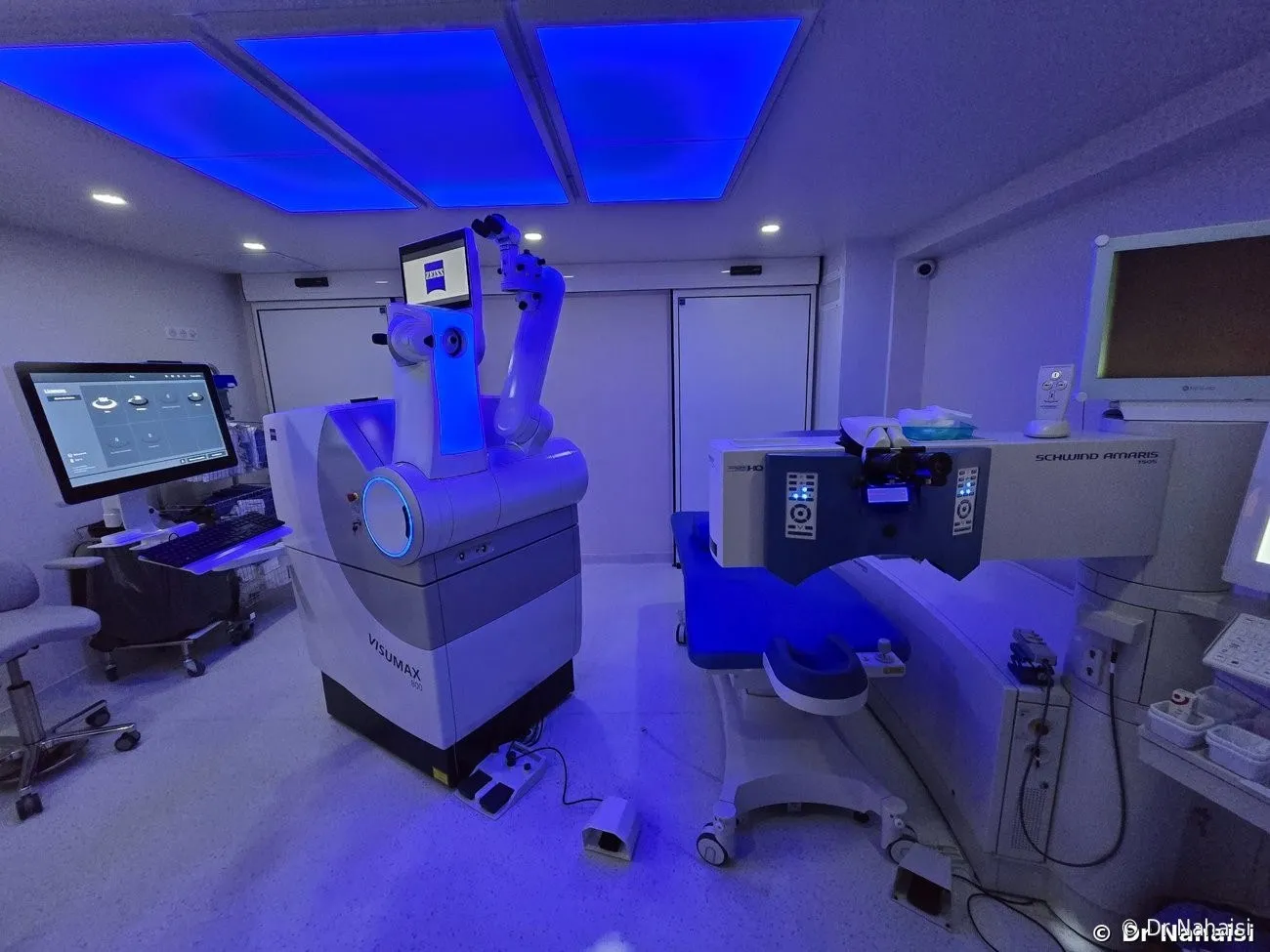
I perform LASIK exclusively at the Institut Laser Ophtalmologique Voltaire (Voltaire Laser Eye Institute), in Paris’s 11th arrondissement, on two latest-generation lasers: the Zeiss Visumax 800 femtosecond laser to cut the corneal flap, and the Schwind Amaris 750S excimer laser for stromal sculpting.
On this page, I explain exactly what LASIK is, how the procedure goes, its indications and limits, recovery, and risks. I also answer the real questions my patients ask me every week in consultation.
On this page12 sections
WHAT IS LASIK?
LASIK: definition and principle of the procedure
LASIK is the acronym for Laser-Assisted In Situ Keratomileusis, literally “laser-assisted in situ corneal sculpting”. The idea is simple: to change vision durably, we reshape the cornea, the transparent tissue at the front of the eye that provides most of its optical power.
LASIK combines two lasers, in a precise sequence.
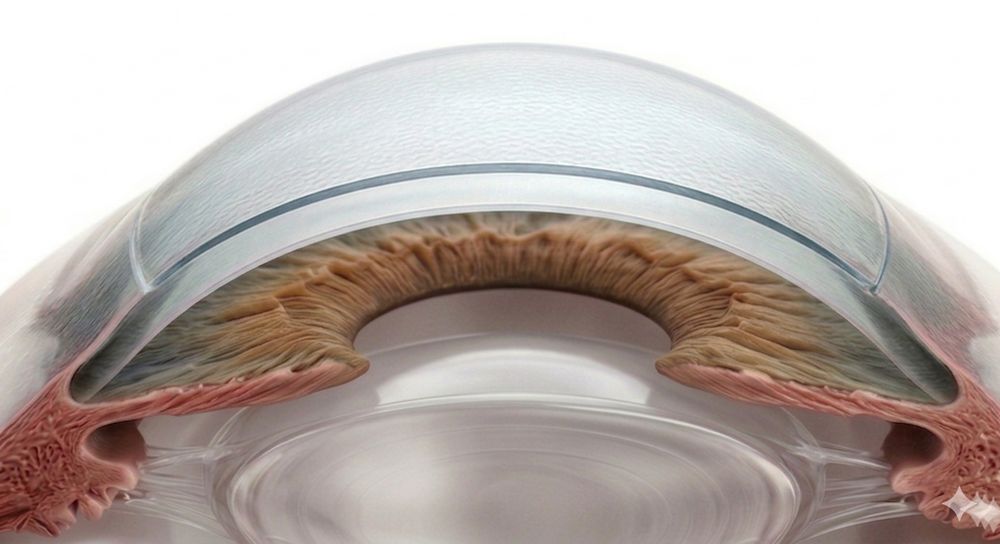
1. The femtosecond laser Visumax 800 (Zeiss) first creates an ultra-thin corneal flap, about 110 microns thick. This flap stays attached to the cornea by a side hinge, like the page of a book.
2. The flap is lifted to expose the stroma, the deep layer of the cornea. The correction is made on the stroma.
3. The excimer laser Schwind Amaris 750S then sculpts the surface of the stroma according to your prescription, point by point, in a few seconds.
4. The flap is repositioned at the end of the procedure. It adheres immediately through suction and natural healing, without stitches.
LASIK has been the most widely performed refractive surgery in the world since the late 1990s. Its clinical track record is considerable and its results are reproducible. Complications remain rare when the indication is properly established. The development of the femtosecond laser in the 2000s, and more recently of the Visumax 800, has made the flap cut more precise and more predictable. It is also much more comfortable for the patient, without the strong suction pressure of older generations.
SEEING THE STEPS OF LASIK
LASIK step by step: interactive simulator
Rather than a long text, I wanted you to be able to see, step by step, what happens during the procedure. The simulator below faithfully reproduces the key moments of LASIK: cutting the flap, lifting it, sculpting with the excimer laser, repositioning, and healing.
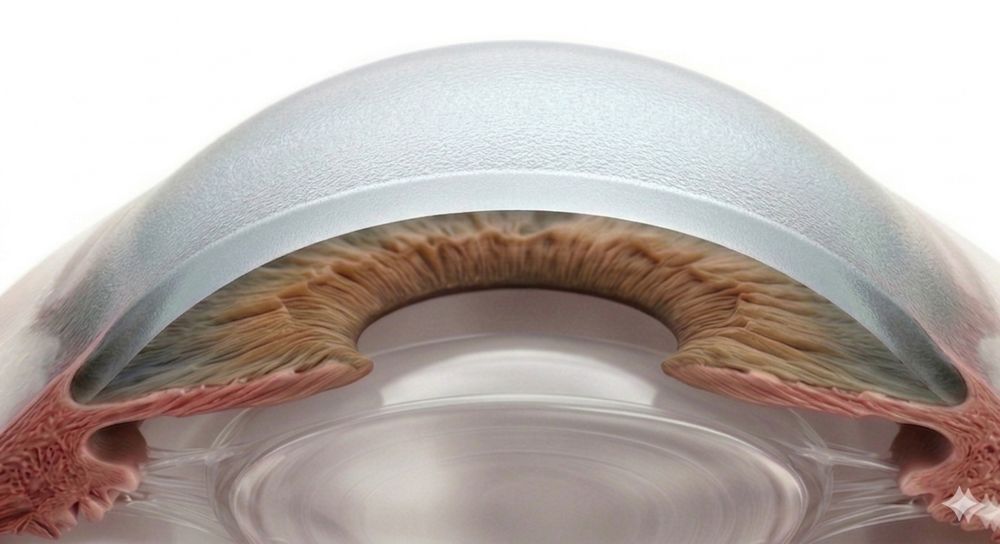
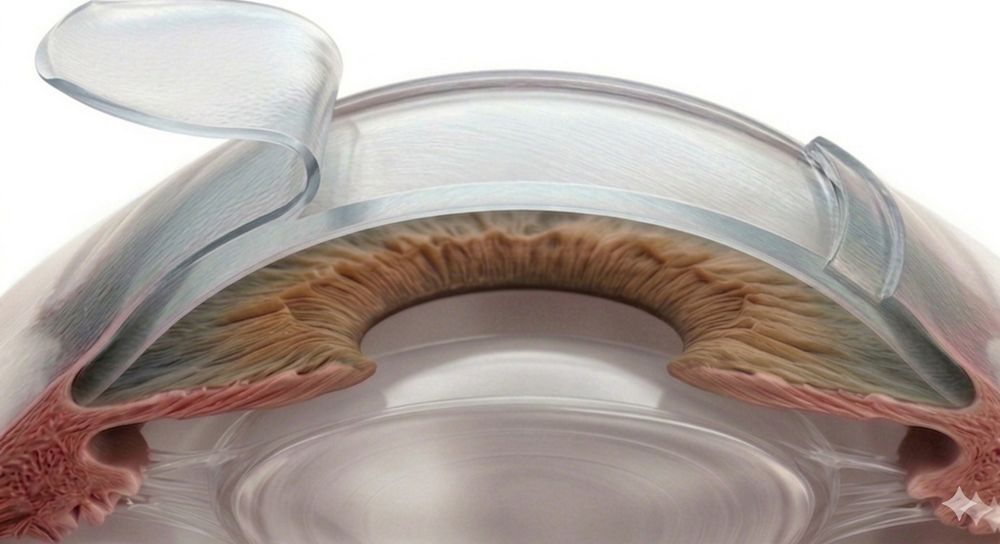
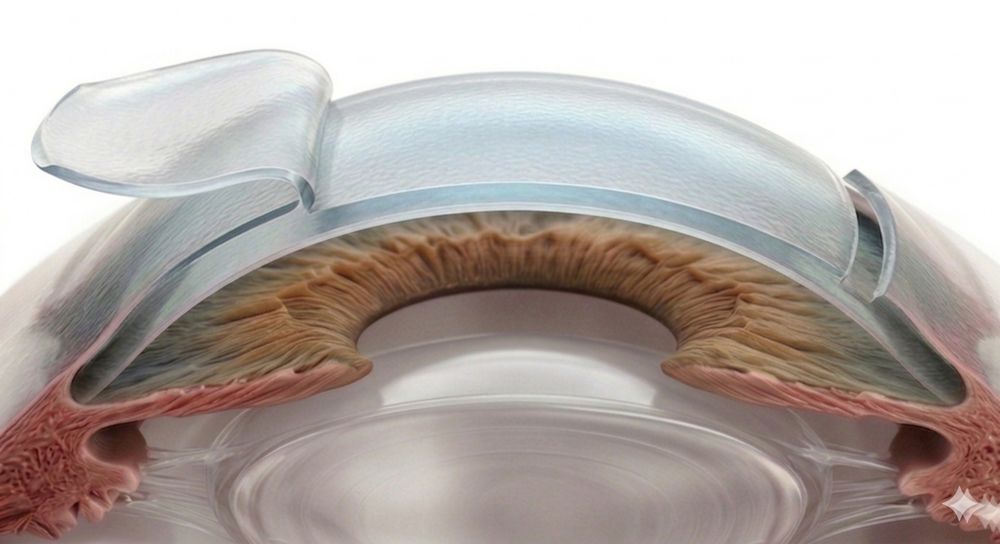
Normal cornea
Cross-section of the anterior chamber. The cornea is intact, about 550 µm thick. This is what the laser will reshape.
Step 1: cutting the flap with the femtosecond laser: 10 seconds
You are lying comfortably, with your eye held open by a small device (to prevent blinking). Before the cut begins, a green light flashes in front of your eye, and I ask you to look at it. You see it come closer and you may feel a sensation of contact. Once the device is in position, gentle suction is applied to keep the eye perfectly in contact with the laser.
You then feel slight pressure, much gentler than with older lasers and never painful. Your vision then dims for a few seconds, 7 to be exact, while the Visumax 800 makes the cut.
Step 2: lifting the flap: 15 seconds
Once the cut is done, the operating bed swivels to bring you under the excimer laser. In position, I gently lift the flap. At this point, you feel slight tugging and see shadows passing across your field of vision: this is the handling of the flap. It is a brief, painless sensation.
Step 3: sculpting with the excimer laser: 2.5 seconds per diopter
The Schwind Amaris 750S then treats the exposed stroma. The treatment time is very short, about 2.5 seconds per diopter of myopia treated. You simply look at a light. You feel nothing.
During this time, you may notice a particular smell, sometimes described as a burning smell. This smell comes from the interaction of the laser with the surrounding air: it has nothing to do with the cornea, which is neither heated nor burned. It is simply a normal physicochemical phenomenon of the laser.
Step 4: repositioning the flap: 30 seconds
Once the sculpting is done, I rinse the surface and then lay the flap back exactly in its original position. It adheres immediately through natural suction, without any stitches. This step takes a few dozen seconds.
The actual laser time is about one minute per eye. But there is the setup, the explanations I give you at each step (I describe in advance what you are going to feel), and the operating room music that keeps me company (I sometimes hum during the procedure). All in all, the time spent in the operating room remains very short: about ten minutes for both eyes.
Step 5: healing
In the days that follow, the epithelium closes over along the peripheral cut line (the “side cut”). This peripheral healing takes a few days, and it is what durably secures the position of the flap. After the first 48 hours, the flap is no longer at risk of shifting in the course of normal life.
THE TWO LASERS USED
Visumax 800 and Schwind Amaris 750S: why these two machines
The Institut Voltaire is one of the few centers in Paris equipped with the Zeiss Visumax 800 laser, brought into service in March 2024. This platform marks a clear leap forward compared with previous generations of femtosecond lasers.
The operating room at the Institut Voltaire. On the left, the Zeiss Visumax 800 femtosecond laser (cutting the corneal flap); on the right, the Schwind Amaris 750S excimer laser (stromal sculpting). The swiveling bed moves the patient from one laser to the other without them having to get up.
The Zeiss Visumax 800 femtosecond laser
The Visumax 800 cuts the corneal flap. It works by photodisruption: it emits ultra-short pulses (on the order of a millionth of a billionth of a second) that create microscopic gas bubbles inside the stroma. These bubbles line up to trace the cutting plane, without any heat transfer to the surrounding tissue.
Its main features:
- Flap cut in 8 to 10 seconds per eye, compared with about twenty seconds for previous generations.
- Greatly reduced suction pressure. You do not feel the “strong pressure” associated with older femtosecond lasers.
- No pain, no heat transfer to the surrounding corneal tissue.
- Precise, regular flap cut, with no risk of “black spot”, a flaw of older femtosecond lasers in which poor distribution of the gas bubbles could leave small uncut areas within the flap, making it harder to lift. With the Visumax 800, this phenomenon has disappeared.
The Schwind Amaris 750S excimer laser
The Schwind Amaris 750S performs the stromal sculpting. It works by photoablation: its ultraviolet light (193 nm) breaks the molecular bonds of the surface layers of the stroma, which are vaporized instantly. The surrounding cornea stays cold.
Its main features:
- High speed: about 2.5 seconds per diopter of myopia treated.
- Ultra-fast eye-tracking: the laser follows the eye at all times, including during involuntary microsaccades of the gaze. So there is nothing to fear about possible movements during surgery. The laser cannot treat any location other than the one initially planned.
- Iris recognition: before the treatment, the laser identifies unique landmarks on your iris, which allows it to automatically compensate for cyclotorsion (the slight rotation of the eye between the sitting and lying positions). This is particularly important for astigmatism.
- Point-by-point aberrometry: the laser incorporates the aberrometric map of your eye, measured just before the procedure, and applies a personalized “aberration-free” treatment profile.
Summary: which laser for which step of LASIK
| Step | Laser used | Approximate duration |
|---|---|---|
| Cutting the corneal flap | Visumax 800 (femtosecond) | 8 to 10 seconds per eye |
| Lifting the flap | Manual handling | ≈ 15 seconds |
| Stromal sculpting | Schwind Amaris 750S (excimer) | ≈ 2.5 seconds per diopter |
| Repositioning the flap | Manual handling | ≈ 30 seconds |
Understanding aberrometry and customized treatment
WHO IS LASIK FOR?
LASIK: indications and eligibility criteria
LASIK corrects the main refractive errors, within limits defined by corneal safety. The thresholds I apply at the Institut Voltaire are as follows:
| Refractive error | Upper limit treatable with LASIK |
|---|---|
| Myopia | ≈ -10 diopters (sometimes -12) |
| Hyperopia | ≈ +7 to +8 diopters |
| Astigmatism | ≈ -6 diopters |
| Presbyopia | Treated via PresbyLASIK → see the dedicated page |
These limits are indicative. The final decision depends on the precise characteristics of your cornea and your profile, assessed during the pre-operative assessment.
Corneal criteria for LASIK
Eligibility for LASIK is not just a matter of corneal thickness. It depends on a combination of several parameters:
- Total corneal thickness (pachymetry). The usual safety threshold is about 500 microns.
- Average and maximum anterior corneal curvature (keratometry).
- Posterior corneal curvature, which makes it possible to detect early keratoconus.
- Epithelial thickness and its distribution on the map.
- The residual posterior stromal bed after ablation.
- The percentage of tissue ablated relative to the total corneal volume.
- Your eye habits: repeated rubbing, pressure on the eyeballs during sleep. These are risk factors I take into account.
The residual posterior stromal bed
The residual posterior stromal bed is the thickness of healthy stroma that remains beneath the cut and ablation zone. Its value determines the long-term biomechanical stability of the cornea and the risk of post-operative ectasia, the feared adverse effect of LASIK.
The standard safety threshold is 250 to 280 microns. Personally, I set myself a more cautious limit: 300 microns. This extra margin strengthens long-term safety. When the calculated residual bed would be below 300 microns, I turn to TransPRK, which does not require a flap and therefore preserves more of the stroma.
I always discuss these criteria during the assessment, and I go through the test results with you in detail. It is this assessment that determines the technique best suited to your profile.
The pre-operative assessment: everything you need to know
Ref.: Randleman JB. et al., « Risk assessment for ectasia after corneal refractive surgery », Ophthalmology, 2008. Ambrósio R. Jr. et al., « Integration of Scheimpflug-based corneal tomography and biomechanical assessments for enhancing ectasia detection », J Refract Surg, 2017.
WHEN LASIK IS NOT THE BEST OPTION
Situations where I prefer another technique
LASIK is my first choice for most patients, but not for all. Several situations lead me to recommend another technique.
Cornea too thin or at-risk corneal profile
When pachymetry is insufficient, or when the calculated residual stromal bed would be below my cautious limit of 300 microns, I turn to TransPRK. Without a flap, TransPRK preserves more of the stroma and offers greater biomechanical safety. Results at 3 months are equivalent to those of LASIK. Only the recovery is more gradual, 7 to 10 days.
A corneal profile showing early signs of fragility (suspicious posterior keratometry, asymmetric epithelial thickness) also leads me toward TransPRK rather than LASIK, or sometimes toward not operating or toward ICL.
Profiles exposed to eye trauma
For patients who practice high-level combat sports (boxing, MMA, martial arts), law enforcement officers, or military personnel, the risk of direct eye trauma is high throughout life. In boxing, with gloves, the flap is not a problem. For bare-handed martial arts or high-exposure professions, I can offer SMILE or TransPRK: the absence of a flap provides extra peace of mind in case of impact.
Patients very anxious about the cut
Some patients are particularly worried about the idea of the flap cut and its possible risks. For them, TransPRK, performed entirely by surface laser, without contact or cutting, can be a more reassuring option. This is something I address during the pre-operative interview. We don’t just operate on eyes, we operate on patients, and their fears matter as much as the myopia to be corrected.
Beyond the limits of the laser
For myopia above -10 diopters (sometimes -12 depending on the cornea), or when the cornea is incompatible with corneal laser surgery (keratoconus, early ectasia), other options exist. The phakic implant (ICL, implantable collamer lens) is a lens placed inside the eye, behind the iris, which corrects high refractive errors without touching the cornea. When this option is best suited to your case, I refer you to a specialized colleague.
HOW THE PROCEDURE GOES
How LASIK surgery goes at the Institut Voltaire
Here I describe the procedure itself. A separate page covers all the practical details: the appointment notice, the prescription, the anti-anxiety tablet, removing contact lenses, arriving at the clinic, changing into surgical attire, going home, the first check-up. I refer you to it for complete preparation.
Surgery day: preparation and practical details
Before the procedure
You take an anti-anxiety tablet about an hour before the procedure. No fasting is needed. On arrival, after the administrative formalities and the final eye images, you are dressed in sterile attire and taken to the pre-induction room.
In the operating room, you lie down comfortably. I instill the anesthetic drops. The surgery is performed under local anesthesia with drops only: no general anesthesia, no injection. A small anti-blink device is put in place to keep the eye open without any effort on your part.
The laser treatment
For each eye, the sequence is as follows: cutting the flap with the Visumax 800 (8 to 10 seconds), lifting the flap, sculpting with the Schwind Amaris 750S (a few seconds), repositioning the flap. The laser follows your eye at all times thanks to its eye-tracking system, even if your gaze drifts slightly.
We then move on to the second eye. The time spent in the operating room is very short: about ten minutes for both eyes. I explain each step as we go, and there is always a little music playing to relax the atmosphere.
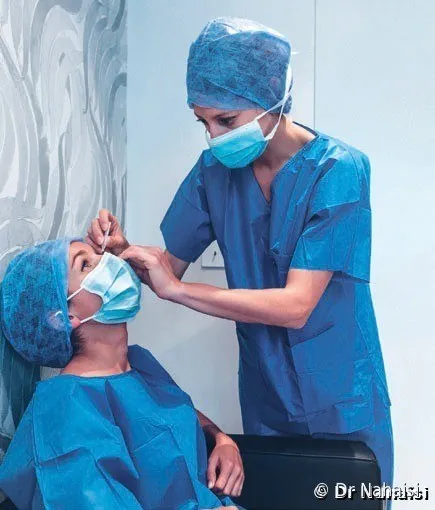
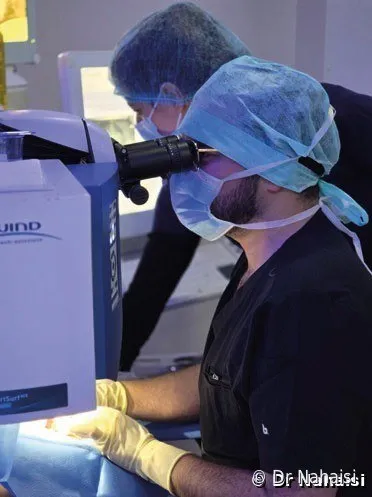
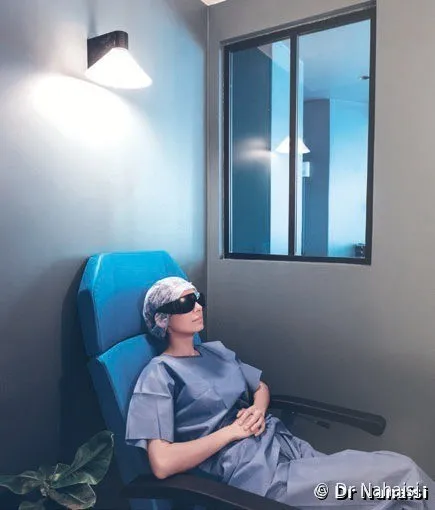
The atmosphere in the operating suite at the Institut Voltaire: the pre-operative room (anesthetic drops and sterile attire), the procedure in progress (with music), and the post-operative room (rest, handing over of glasses, snack).
Iris recognition and eye-tracking: safety throughout the procedure
Before each procedure, two measurements are recorded for each of your eyes: the complete aberrometric map (the exact profile of the correction to apply), and a high-resolution photograph of your iris in its natural position, which includes cyclotorsion, the slight rotation of the eye between the sitting and lying positions. These data are then loaded into the laser, separately for the right eye and the left eye.
Just before each laser treatment, the Schwind Amaris 750S performs an iris recognition test: it identifies the unique patterns of your iris and confirms that it is about to treat the right eye, with the right correction profile. This cross-check prevents any mix-up between the right and left eye, or between two patients. On our side, we also make sure through the usual means that we have the right patient in front of us.
The value of this recognition goes well beyond identification safety: the laser adjusts the correction in real time according to the exact position of your iris throughout the procedure. Even if you move your eyes slightly while the laser is sculpting the cornea, which happens naturally, the correction is still applied exactly where it should be. The final result is as precise as if the eye had remained perfectly still.
Right after the procedure
You then go to the recovery room for a short rest, while the first sensations settle. I give you UV-protective glasses and transparent eye shields to wear at night for the first three nights. My secretaries schedule your first follow-up appointment, and I go over the instructions for the first few days again before you leave.
You can go home accompanied, which is what I recommend, or alone by taxi or ride-hailing car (VTC). You will not be able to drive in the hours following the procedure.
RECOVERY AFTER LASIK
Visual recovery and post-LASIK instructions
The first hours
Right after the procedure, you see through a veil, like a cloudy fog. But behind this veil, you immediately have the impression of seeing more sharply. For high corrections, the effect can be striking from the very first minutes. This is what I call “the WOW effect”.
This discomfort comes with stinging, watery eyes, sensitivity to light, and a desire to keep your eyes closed. This is normal and temporary. It lasts 4 to 6 hours. Usually, you go home and take a nap thanks to the anti-anxiety tablet, and when you wake up things are already much better. Vision is often good by that same evening.
The first 48 hours: the essential instructions
- Do not rub or touch your eyes. This is the most important instruction.
- Wear the transparent eye shields at night, for the first three nights, to avoid any accidental knock.
- Wear UV-protective sunglasses outdoors for light comfort.
- No shower directly on the face for the first few days. Use a damp washcloth around the eyes instead.
- No eye makeup for one week.
- No swimming pool, steam room or sauna for two weeks.
Resuming activities
Most of my patients go back to work the next day, even on screens. The first day is a little tiring, but doable. Driving is usually possible again the next day. Non-contact sports can resume the next day. Sports with a risk of a direct blow to the eye (combat sports, ball sports, etc.) after three weeks.
If you work in a high-risk environment (dust, chemicals, UV in screen printing, for example), wide protective glasses are generally enough to go back the next day. I can give you a sick note on a case-by-case basis, typically from Friday to the following Tuesday or Wednesday.
Post-operative eye drops
You apply drops for about a month, on a tapering schedule:
- Tobradex (antibiotic + anti-inflammatory): 4 drops a day for 5 days, then 3 drops a day for 5 days, then 2 drops a day for 5 days.
- Preservative-free artificial tears (such as Vismed or Théalose): 2 to 6 times a day for one month, then as needed.
- Dacudose: to rinse around or in the eye if needed. Not required most of the time.
To apply the drops, stand in front of a mirror and gently pull the lower eyelid down. Pull on the cheek rather than directly on the eyelid, and never on the upper eyelid. One drop placed in the pocket thus formed under the eye is enough.
The first check-up
I see you again in consultation on the Monday afternoon following the procedure, at my office in the 19th arrondissement, rue Archereau. It is a short check-up to make sure the flap is properly adhered and there is no inflammation, and to measure the visual acuity achieved. Further check-ups are then scheduled at 1 month, and possibly at 3 months or later depending on your situation.
Temporary effects in the first weeks
Several phenomena may appear in the first weeks. They are normal and temporary:
- Dry eye, almost always present, relieved by artificial tears. A gritty, sandy feeling and stinging, especially at the end of the day or on screens. It gradually resolves over a few weeks to a few months.
- Halos around lights and increased sensitivity to light in low light: a temporary increase peaking around the 2nd month, then a gradual decrease. Typically, car headlights or high beams look a little spread out. Final night vision is usually better than before the procedure.
- Eye strain on screens with headaches at the end of the day, which fades within a few weeks.
In the first few days, difficulty accommodating is common: the eye has some trouble focusing; I often say it feels like being a digital camera for a few days. This may come with headaches and a feeling of pressure on the temples. It is typical and fades quickly.
Visual fluctuation is also very common. Recovery is not perfectly linear: you may feel you see very well one day, a little less well the next, then even better the day after, sometimes with differences between the two eyes. All of this evens out over about a month.
These are part of the normal recovery. They do not reflect a flaw in the laser: the cornea stabilizes gradually over 1 to 3 months.
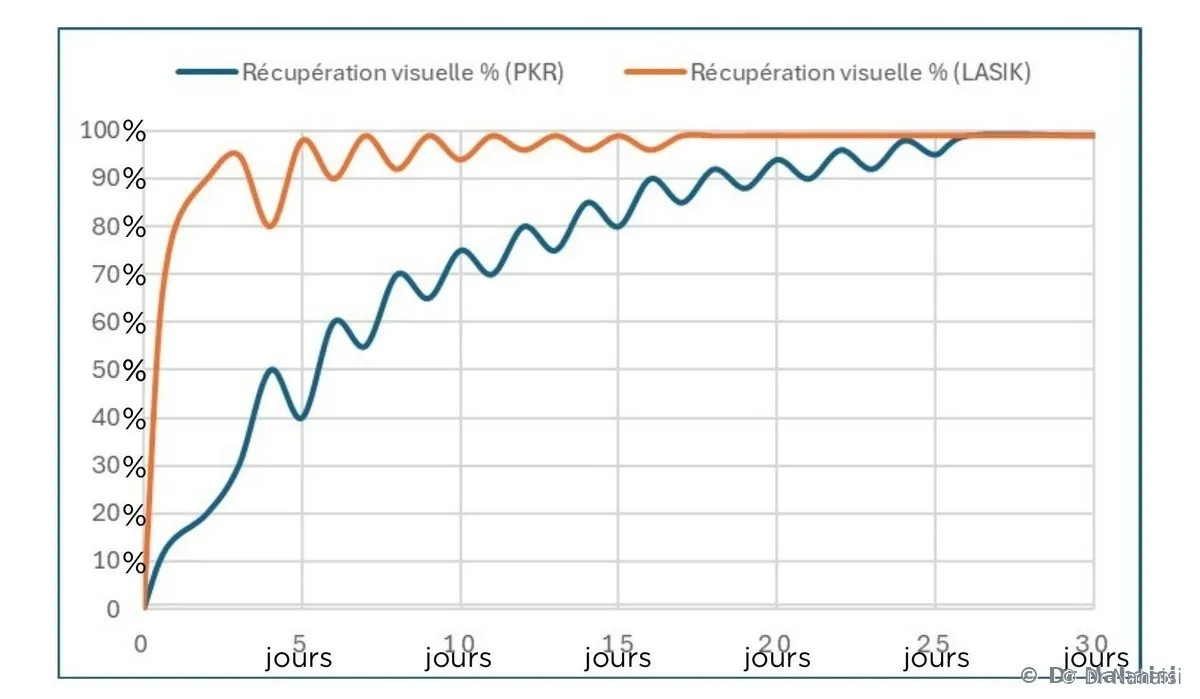
Visual recovery over 30 days: LASIK (orange curve) and TransPRK (blue curve). After LASIK, vision comes back very quickly. Most of the recovery happens in the first 24 to 48 hours, with some slight fluctuations until it stabilizes. After TransPRK (surface laser), the improvement is more gradual, while the epithelium heals: independence returns in 7 to 10 days, then vision continues to sharpen. In both cases, the curve is not perfectly linear, vision fluctuates from one day to the next before settling, and the final result at 3 months is equivalent. (Curve taken from the information booklet.)
RISKS AND COMPLICATIONS
LASIK: the risks explained
LASIK is an extremely well-standardized surgery today, with a very high satisfaction rate. But as with any procedure, there are possible side effects and complications, even if they remain rare. You need to know about them to make a fully informed decision.
Dry eye
This is the most common effect. Dryness is almost always present at first, but temporary. It usually resolves within a few weeks or months with artificial tears. Cases of dryness persisting over several months are rare. I have had a few in practice, and it always eventually settled down, sometimes after 6 months or a year. Dry eye that persists long-term is exceptional.
Physiologically, post-LASIK dryness is explained by the temporary severing of corneal nerve fibers when the flap is cut. These nerves regenerate in 6 months on average. This is a difference from TransPRK, where there is no flap. This difference is not a complication in itself.
I personally see each patient again in consultation, as many times as necessary. In the rare cases of marked dryness, I have a whole range of treatments available: enhanced artificial tears, tear gels in the evening, and sometimes doxycycline tablets in certain predisposed patients (dermatological conditions in particular).
Halos and night vision
Halos around lights, a slight reduction in night vision, and glare may appear in the first weeks, peaking around the 2nd month. This is temporary and gradually fades in almost all patients. At 6 months to 1 year, night vision is usually better than before the procedure.
Imperfect result and enhancement
The result may sometimes not be perfect, or part of the correction may be missing. In that case, an enhancement is sometimes offered, at least six months later. It is not frequent, but it is one of the possibilities planned from the start. Enhancements are simple, lifting the existing flap and readjusting with the excimer laser, and generally make it possible to achieve the intended result.
The enhancement is included in the initial fee during the first year. After that, it is offered at a preferential rate up to 5 years after surgery.
Traumatic flap displacement
This is a very rare risk, which can occur with a direct blow or vigorous rubbing of the eyes in the days following the procedure. That is precisely why we insist on the post-operative precautions: do not rub your eyes, wear the eye shields at night for three nights. After the first 48 hours, the flap can no longer be displaced by rubbing or contact in the course of normal life.
If a displacement occurred in the first few days, we would go back to the operating room to put it back in place. It is a simple procedure. It has happened to me a few times in practice, and the rare patients concerned recovered perfectly. Visual recovery is a little slower in these cases, but with no consequence for the final result.
A violent, badly placed blow could theoretically displace a flap long after the procedure, sometimes even several months later. This is exceptional, to the point that scientific papers are published when it happens. In any case, it would be a blow with the potential to damage the eye even without prior surgery.
And even for these very rare cases, surgically repositioning the flap is possible and allows recovery without lasting effects in most cases.
Serious complications
Infection, corneal ectasia (progressive deformation of the cornea), and lasting loss of visual quality are exceptional events. I have never had to manage one in practice. These complications occur mainly when pre-operative safety criteria have not been strictly followed. As with any surgery, zero risk does not exist. I carry out a complete assessment and remain very selective about eligibility criteria, precisely to minimize these risks.
LASIK touches neither the optic nerve, nor the retina, nor the internal structures of the eye: it does not cause blindness in the usual sense of the word. However, like any surgery, it can in exceptional cases lead to a loss of visual quality, a loss of lines of corrected acuity, significant dryness, or bothersome light phenomena. These situations remain rare, and the purpose of the pre-operative assessment is to reduce these risks as much as possible.
LONG-TERM RESULTS, ENHANCEMENT AND FOLLOW-UP
LASIK results over time
A long-lasting result
The correction applied by the laser is long-lasting. Biologically, the corneal stroma does not regenerate after ablation, so the new corneal curvature is maintained over time. You will never return to your original refractive error.
A slight change is theoretically possible over 10 to 15 years, on the order of 0.25 or 0.50 diopter. It remains minimal, and should it bother you, a laser enhancement is possible in most cases.
The natural evolution of the eye remains independent
LASIK corrects the cornea, but does not change the length of the eye or alter the lens. The natural evolution of vision continues normally from the day of the procedure. Two phenomena may occur with age, independently of the surgery:
- Presbyopia, which appears around age 40-45 in everyone, whether they have had surgery or not. If it bothers you, strategies exist (PresbyLASIK, blended vision (monovision), etc.), and I discuss them with you when the time comes.
- Cataract, which typically appears after age 60-65. It is treated with a specific lens surgery, independent of LASIK. Having had laser surgery does not complicate cataract surgery.
Post-operative follow-up
Post-operative follow-up is included in the fee, with no limit on consultations. You can contact me again at any time by message, and come in for consultation as often as needed. I remain available. The relationship I build with each patient does not end on the day of surgery.
Any enhancement is included during the first year. After that, up to 5 years, it is offered at a preferential rate.
FEES AND COVERAGE
How much does LASIK surgery cost in Paris
LASIK fee: €3,200 for both eyes (€1,600 per eye). The fee is fixed, the same whatever the correction to be treated, whether myopia, hyperopia or astigmatism.
What is included in the fee
- The procedure itself, using the Visumax 800 and Schwind Amaris 750S lasers.
- Clinic fees at the Institut Voltaire.
- Complete post-operative follow-up, with no limit on consultations.
- Any enhancement during the first year.
- Prescriptions for post-operative medication.
The pre-operative consultation
The pre-operative consultation is charged at the standard rate set by French national health insurance. The arrangements differ depending on the consultation location:
- Offices in the 10th and 19th: nothing to pay upfront (direct billing).
- Institut Voltaire (11th): €50 paid upfront, including a €30 fee supplement. Your complementary health insurance reimburses at least €20, and often the full amount depending on your policy.
Payment
Payment is made on the day of surgery, at the front desk, before the procedure. Accepted payment methods: bank card, check, bank transfer or direct debit. Payment in installments is possible in 4 installments, by check or direct debit.
Complementary health insurance does not pay the clinic directly: you are the one reimbursed on presentation of the invoice. If your complementary health insurance covers a large amount, we can defer a payment corresponding to that sum and only cash it once you have received your reimbursement.
Frequently asked questions
Your questions about LASIK surgery
Does LASIK hurt?
No. The procedure is done under anesthesia with drops; it is painless. The first few hours can be uncomfortable (watery eyes, stinging, sensitivity to light). A good nap is usually enough. Vision is good by that same evening, most of the time.
How long does LASIK surgery take?
About ten minutes for both eyes. This time includes the technical steps (cutting the flap, sculpting, repositioning), the verbal explanations between each step, and the setup. The laser treatment itself lasts only a few seconds per eye.
Can you lose your sight with LASIK?
LASIK touches neither the optic nerve, nor the retina, nor any internal structure of the eye: it does not cause blindness in the usual sense of the word. Like any surgery, however, it can in exceptional cases lead to a loss of visual quality, a loss of lines of corrected acuity, or bothersome visual effects that persist. These situations remain rare, and the purpose of the rigorous pre-operative assessment is precisely to avoid them.
When can I go back to work after LASIK?
Most patients go back to work the next day, even on screens. The first day is a little tiring, but doable. A sick note is possible on a case-by-case basis, typically from Friday to the following Tuesday or Wednesday.
When can I use screens again after LASIK?
From the next day for most patients. You may feel some eye strain at the end of the day during the first weeks. This is normal and temporary.
When can I drive after LASIK?
Generally from the next day, depending on how you feel, once your vision has stabilized. On the day of the procedure, you cannot drive. You must go home accompanied, or alone by taxi or ride-hailing car (VTC).
When can I go back to sports after LASIK?
Non-contact sports: from the next day. Sports with a risk of a direct blow to the eye (combat sports, ball sports): after three weeks. Swimming and pools: after two weeks.
When can I fly after LASIK?
Flying poses no particular problem. You can travel from the day after the surgery if your work requires it. Just remember to bring your artificial tears: cabin air conditioning is drying.
When can I wear makeup after LASIK?
No eye makeup for one week, to avoid any contact or particles near the operated area. Makeup on the rest of the face is possible from the next day.
Can I go to the pool, a steam room or a sauna after LASIK?
Not for two weeks. Chlorinated water and steam can irritate the eye during the healing phase. After that, no restrictions.
Can the flap move after LASIK?
During the first 24 to 48 hours: yes, with rubbing or a direct blow. That is why we insist on the precautions and on wearing the eye shields at night. After that, there is no risk of displacement from rubbing or normal contact. Only a violent, badly placed blow could theoretically displace the flap later on, but this is exceptional.
How much time off work should I plan after LASIK?
No automatic time off. Returning to work is usually possible the next day. If you wish, I can prescribe a few days off on a case-by-case basis, usually from Friday (surgery day) to the following Tuesday or Wednesday.
Do I need a letter from another ophthalmologist before consulting for LASIK?
No. No referral letter or prescription needed. You can book an appointment directly on Doctolib or by phone.
Why is LASIK more expensive in some centers than in others?
Price differences are mainly explained by the generation of equipment used and the associated clinic fees. The Visumax 800 (Zeiss) is one of the most recent and most precise femtosecond lasers on the market, and its cost of use per treatment is higher than that of previous generations. Added to this is the human dimension: the surgeon’s expertise, their approach, the time they devote to you. My advice: think about the fee once you understand the treatment and a relationship of trust has been built, not before.
LASIK or SMILE: what is the difference?
SMILE is a technique performed entirely with the femtosecond laser (without an excimer laser): a small disc of corneal tissue (lenticule) is cut inside the cornea and extracted through a 2-3 mm micro-incision. No flap. For pure myopia, the results are similar. For astigmatism and hyperopia, SMILE is less precise or not suitable. I prefer LASIK in most cases for its precision, its clinical track record and the ease of any enhancements.
LASIK or TransPRK: what is the difference?
LASIK uses a flap; TransPRK is a surface treatment, without a flap, without contact. LASIK offers faster recovery (24-48 hours compared with 7-10 days for TransPRK). TransPRK, on the other hand, provides greater biomechanical safety and better preserves the corneal structure. The result at 3 months is equivalent. The choice depends on your cornea and your profile.
Is dry eye after LASIK permanent?
No. It is temporary in almost all cases and resolves within a few weeks to a few months. Corneal nerves regenerate in 6 months on average. Cases of longer-lasting dryness are rare and eventually settle down, sometimes after 6 months to a year.
Is the LASIK result for life?
The correction is long-lasting. Biologically, the cornea keeps the new shape the laser has given it. A slight change is possible over 10-15 years (0.25 to 0.50 diopter), but it remains minimal. The natural evolution of the eye with age, presbyopia after 40-45 and cataract after 60-65, occurs independently of the surgery.
Can I have LASIK during pregnancy or while breastfeeding?
I do not operate during pregnancy, as a precaution: hormonal fluctuations can temporarily change the refraction. Breastfeeding, on the other hand, is not a problem. And you do not need to wait until you have had all your children: we can operate before a pregnancy or between two.
From what age can you have LASIK?
From age 18, provided the prescription has stabilized. Most prescriptions stabilize between 18 and 24. There is no upper age limit. If the cornea allows it, LASIK can still be performed at 50, 60 or 65. At these ages, presbyopia must be factored into the surgical strategy.
BOOK AN APPOINTMENT
Ready to consider LASIK?
The first step is simple: a consultation to review your eyes, your prescription and the options available to you. No commitment, no pressure. A complete assessment and a frank discussion.
I see patients at three locations in Paris:
- Institut Laser Ophtalmologique Voltaire, 5 rue La Vacquerie, 75011 Paris (Wednesday afternoons). Metro Voltaire (9), Philippe Auguste (2).
- Cabinet Ophtavie, 37 rue Archereau, 75019 Paris (Monday afternoons). Metro Crimée (7).
- Centre Santé Plus, 12 rue du Faubourg Saint-Martin, 75010 Paris (Thursday afternoons). Metro Strasbourg-Saint-Denis (4, 8, 9).
LASIK surgery takes place on Friday mornings at the Institut Voltaire, sometimes on Wednesday afternoons.
Book an appointment on Doctolib
Phone and WhatsApp: 01 84 80 28 04 · Email: nahaisi@laservisionparis.com · Doctolib messaging
Download the information booklet (PDF)
“I don’t operate on eyes, I operate on patients.”
Dr Steven Nahaisi, ophthalmic surgeon in Paris, LASIK and refractive surgery specialist.
Author: Dr Steven Nahaisi, ophthalmic surgeon, specialist in laser refractive surgery, Institut Laser Ophtalmologique Voltaire, Paris 11th.
Your surgeon
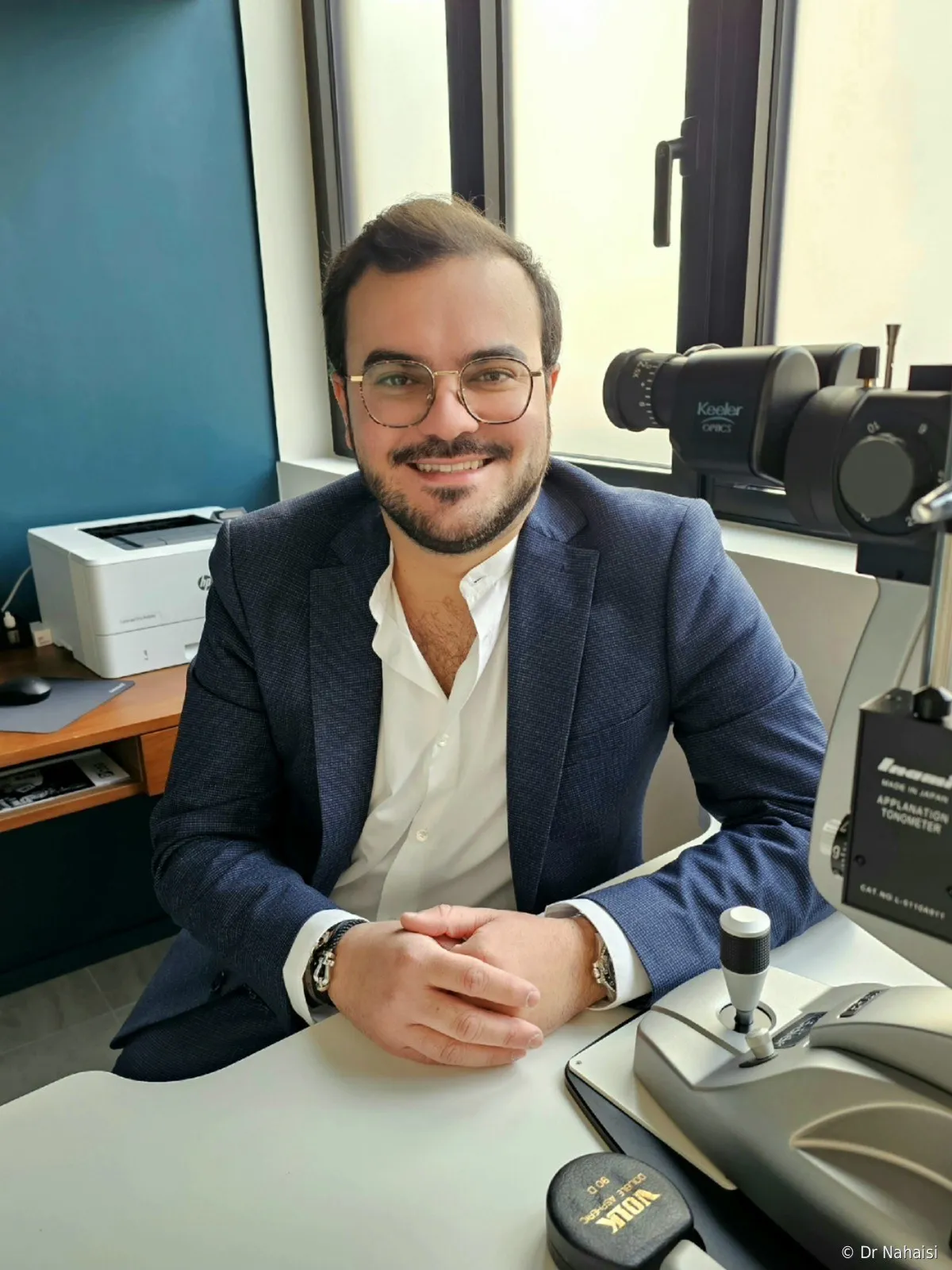
Dr Steven Nahaisi
Ophthalmic surgeon dedicated exclusively to laser refractive surgery. He operates at the Institut Laser Ophtalmologique Voltaire and consults in three Paris offices. Consultations in English.